

By Staff Reporter
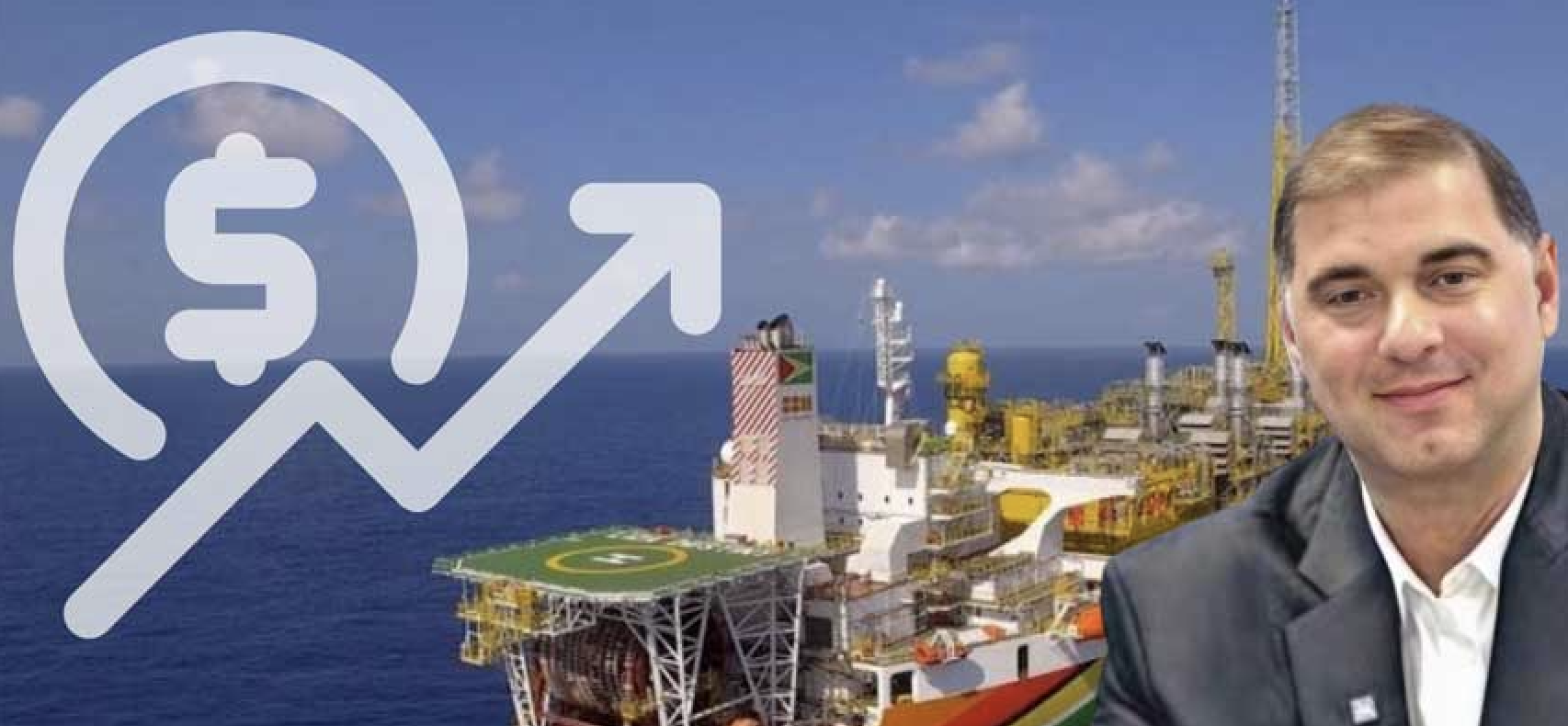
ExxonMobil Guyana Limited generated after-tax earnings of $982.5 billion in 2025, according to audited financial statements released on Tuesday, a figure that is once again fuelling debate over whether Guyana is receiving a fair share of the wealth being generated from its offshore oil resources.
The company reported revenue of $1.71 trillion and operating profit before tax of $1.21 trillion, despite lower global oil prices throughout much of the year. ExxonMobil attributed its strong performance largely to increased production from the Stabroek Block and the successful startup of the One Guyana Floating Production, Storage and Offloading vessel, which became the country’s fourth producing offshore development.
Speaking at the company’s Ogle headquarters, ExxonMobil Guyana Vice President and Business Services Manager John Colling described 2025 as another successful year for the company. He noted that while oil prices fell from an average of US$82 per barrel in 2024 to US$68 per barrel in 2025, increased production volumes helped maintain strong revenues and profitability.
“In 2025 ExxonMobil had a very strong year, underpinned by strong operational performance,” Colling said, adding that the startup of the One Guyana FPSO significantly increased production during the reporting period.
While ExxonMobil celebrated another year of record earnings, the figures have renewed public discussion about the benefits flowing to ordinary Guyanese. The nearly $1 trillion profit comes at a time when many households continue to struggle with rising food prices, expensive transportation, increasing housing costs and a cost of living that many believe has outpaced wage growth.
Chartered Accountant and public commentator Christopher Ram said the latest financial results highlight the stark contrast between the wealth being generated offshore and the financial pressures being experienced by many citizens onshore.
“When a company can generate almost one trillion dollars in profit from Guyana’s resources in a single year, it is reasonable for citizens to ask whether they are receiving a proportionate share of the benefits,” Ram said. “People are looking around and still seeing poverty, still struggling with the cost of living and still wondering when the oil wealth will translate into meaningful improvements in their daily lives.”
Ram argued that while Guyana’s economy continues to record some of the fastest growth rates in the world, many citizens have yet to experience the level of economic transformation that was widely anticipated when oil production began.
Businessman and entrepreneur Terrence Campbell expressed a similar concern, saying that the issue is not ExxonMobil’s profitability but the continued hardship facing many Guyanese families.
“Nobody should be surprised that ExxonMobil is making money. They are a multinational corporation and that is what corporations do,” Campbell said. “The concern is that despite all of this wealth being generated, many Guyanese are still facing extremely high prices for basic goods and services. The economy is growing rapidly, but many people feel as though they are being left behind.”
Campbell said the figures are likely to intensify calls for greater scrutiny of the 2016 Production Sharing Agreement, which allows up to 75 per cent of petroleum revenues to be used for cost recovery before profits are shared between Guyana and the oil companies. Guyana also receives a two per cent royalty on production.
“The agreement was signed before the scale of the resource was fully understood,” Campbell said. “Today we know Guyana possesses one of the most valuable offshore discoveries in the world. It is natural that citizens would revisit the question of whether the country negotiated the best possible terms.”
The financial statements show that ExxonMobil continued to expand its investment in Guyana during 2025. Capital expenditure reached approximately $720 billion, while the value of property, plant and equipment increased from $2.94 trillion to $3.49 trillion. The company also disclosed future capital commitments approaching $785 billion as additional projects move forward.
Colling defended the Production Sharing Agreement, arguing that it has successfully encouraged continued investment and production growth.
“We continue to reinvest the profits that we’re making here, and the contract is doing what it was incentivized to do, incentivizing reinvestment and increasing production and revenue for all parties,” he said.
Production from the Stabroek Block now exceeds 900,000 barrels per day and is expected to continue increasing as additional developments come online. ExxonMobil currently holds a 45 per cent interest in the block, while Hess Corporation holds 30 per cent and CNOOC owns the remaining 25 per cent.
For many Guyanese, however, the headline figure is not the company’s production level or investment plans. It is the fact that ExxonMobil generated nearly one trillion dollars in profit from Guyana’s oil resources in a single year while many citizens continue to struggle with some of the highest living costs in the country’s history. As oil production continues to expand, so too does the national debate over who is benefiting most from Guyana’s petroleum wealth.
This reads much more like a traditional news feature with developed paragraphs, sources, context, and competing viewpoints.