



Long before Guyana’s oil boom sparked conversations about value-added manufacturing, the country made an ambitious attempt to transform one of its abundant natural resources into finished consumer products.
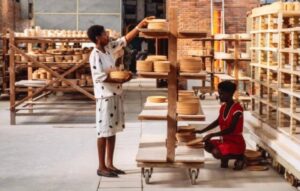
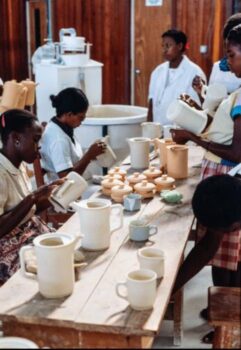
In 1982, the Vanceram tableware factory was launched at Coverden, East Bank Demerara, utilizing locally sourced Guyanese clay to manufacture ceramic tableware. Sponsored by the then World University Service and related development partners, the factory was considered a pioneering venture and was reportedly the only tableware manufacturing facility of its kind in the Caribbean at the time.

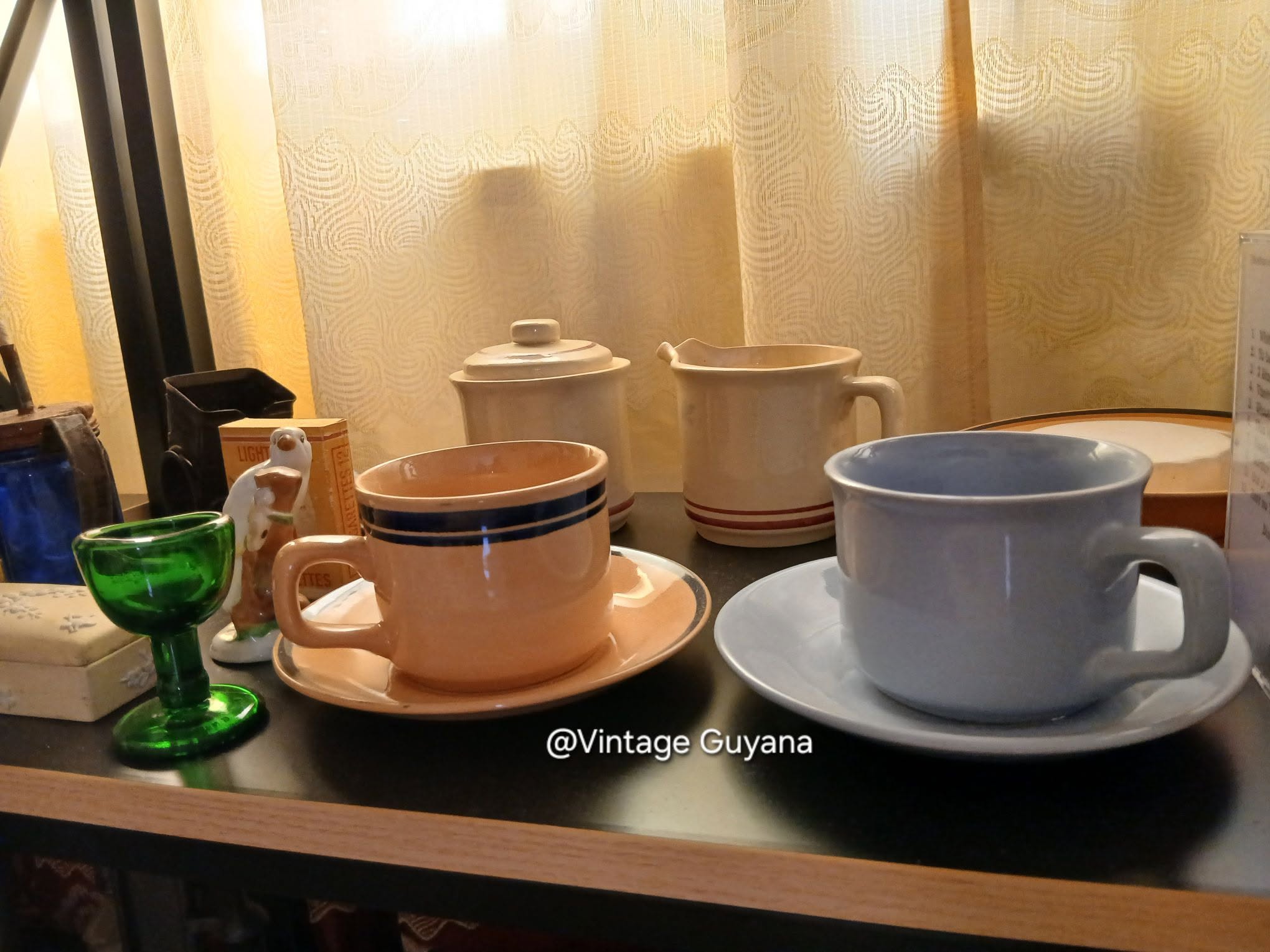
Vanceram produced a range of household items including dining plates, teacups, saucers, milk and sugar sets, many featuring hand-painted designs and pastel colours. The products were sold locally through Guyana Stores and other outlets, offering consumers a homegrown alternative to imported ceramics.
The venture, however, faced significant challenges. Reports from the period indicate that the factory’s business model required the production of approximately 3,000 pieces of tableware daily to achieve profitability, a difficult target for a workforce of roughly 50 women.
Technical problems also reportedly plagued operations. Difficulties with the clay body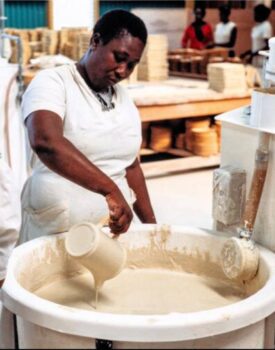

By the late 1980s, the factory had quietly ceased operations.
For many Guyanese, Vanceram remains a distant memory. Former students who toured the facility during school visits recall watching local clay transformed into finished products, even if the designs and colours did not always appeal to youthful tastes.

As the country seeks to diversify its economy beyond oil, the lessons of Vanceram serve as both a reminder of past industrial ambitions and a prompt to reconsider whether Guyana’s natural resources can once again be transformed into high-value finished products.
Credit: Andrea Bryan-Garner for inspiring this story
PC: Village Voice News
PC: Vintage Guyana